Marketing mix modeling for small business used to sound unrealistic. Big brands had the budgets, analysts, and historical data. Smaller companies had platform dashboards, spreadsheets, and a lot of guessing.
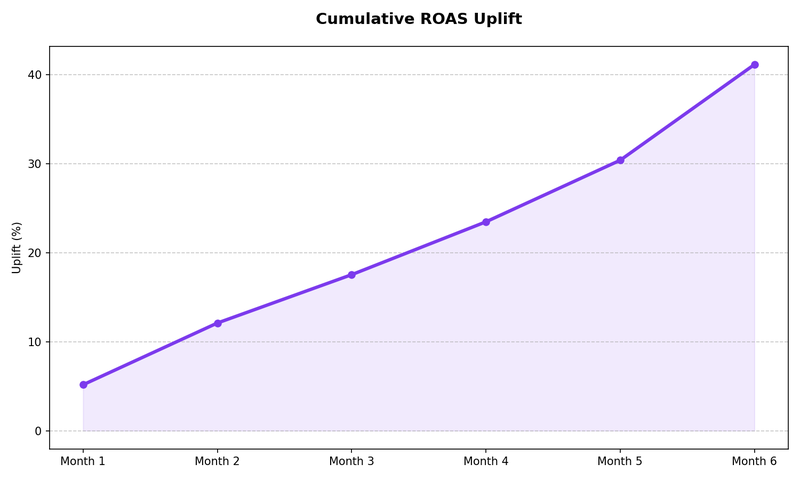
That gap is closing. Modern MMM tools can help smaller teams understand which marketing channels are contributing to revenue, where spend is being wasted, and how much confidence they should have before moving budget.
What Marketing Mix Modeling Means
Marketing mix modeling, or MMM, is a statistical way to estimate how different marketing channels affect business outcomes. Instead of asking each platform to grade its own homework, MMM looks at your overall history: spend by channel, revenue or leads, seasonality, promotions, pricing changes, and other factors that influence demand.
The model then estimates how much each channel likely contributed. A Bayesian MMM also shows uncertainty, which is important for small businesses because the data is rarely perfect.
Why Small Businesses Need a Different Approach
Small businesses cannot afford to waste months waiting for perfect attribution. They also cannot afford to keep spending on channels that look good only because the platform takes too much credit.
MMM is useful when:
- You spend across several channels and cannot tell which ones are driving sales.
- Google, Meta, and email reports all claim credit for the same revenue.
- Your ad spend is rising but total revenue is flat.
- You want to cut budget without hurting sales.
- You need to decide where the next marketing dollar should go.
What Data You Need
You do not need enterprise perfection, but you do need consistent history. At minimum, gather weekly or monthly revenue, spend by channel, major promotions, pricing changes, and any events that would affect demand. More history is better, but even a practical first model can reveal patterns that platform dashboards miss.
The key is to model business outcomes, not vanity metrics. Clicks and impressions can help explain activity, but revenue, qualified leads, bookings, or contribution profit should drive the decision.
What MMM Can Tell You
A useful MMM can help answer questions like:
- Which channels are likely creating incremental revenue?
- Which channels are getting too much credit from last-click attribution?
- Where are we seeing diminishing returns?
- How much budget could move without putting sales at risk?
- What budget mix gives us the best expected outcome?
It will not tell you that marketing is perfectly predictable. It will tell you which decisions are better supported by evidence.
What MMM Is Not
MMM is not a magic dashboard that tells you every individual customer journey. It is not a replacement for creative testing, landing page work, or sales follow-up. It also will not make weak data perfect.
What it can do is give you a more honest read on channel contribution than platform attribution alone. That is especially valuable when the same sale is claimed by multiple tools or when important channels influence buyers before the final click.
A Small-Business Example
Imagine a home services company spending on Google Search, Meta, local sponsorships, and email. Google looks strongest because customers often search right before booking. Meta looks weaker because people do not always click and convert immediately. Local sponsorships look impossible to measure.
An MMM approach looks at how changes in spend and activity relate to booked jobs over time. It may find that Google captures high-intent demand, Meta supports demand generation, and local sponsorships matter during specific seasonal periods. That does not make every channel equal. It gives the owner a more useful map.
When You Are Ready for MMM
You are probably ready if your monthly ad spend is large enough that a 10% mistake hurts, if you have several months of consistent revenue and spend data, and if platform dashboards no longer explain what is happening in the business. You do not need to be enterprise-sized. You need a real budget, recurring decisions, and enough data to learn from.
The Takeaway
Marketing mix modeling for small business is not about turning owners into statisticians. It is about replacing platform guesswork with a clearer view of what actually moves revenue.
If your business is spending enough on ads that a bad allocation hurts, MMM can help you protect the dollars that work and reclaim the dollars that do not.
Owner’s Checklist
Bring the model back to the decision it should support. Are you trying to cut waste, protect a channel, reallocate spend, or understand why platform reports disagree? The model is useful only if it changes a budget conversation in a way the business can act on.
Budget Decision
Use uncertainty as a guide for the size of the move. High-confidence findings can support firmer reallocations. Uncertain findings should become smaller tests or data-quality improvements. The goal is better judgment, not blind obedience to a model.
What to Do This Week
Take one practical step with the budget question the model is supposed to answer. Pull the last 30 to 90 days of spend, revenue, qualified leads, and any notes about promotions or sales changes. Then write one sentence that explains what you believe is happening. For example: “This channel is creating new demand,” “this campaign is capturing demand we already had,” or “this spend is not showing up in qualified outcomes.”
Next, choose a small test that could prove or disprove that sentence. That might mean trimming budget by 10%, changing the offer, separating branded from non-branded traffic, improving the landing page, or comparing platform-reported conversions with CRM results. Keep the test narrow enough that you can learn from it.
That is where MMM is most useful: not as a math exercise, but as a calmer way to decide what to protect, what to test, and what to trim.
Leave a Reply