How Roas Optimization Can Transform Your Marketing Strategy
Direct Answer: ROAS optimization can transform your marketing strategy by ensuring every dollar spent generates a predictable, measurable return, potentially increasing your overall ROI by up to 30% through efficient allocation of resources. By focusing on ROAS optimization, businesses can identify high-performing campaigns and adjust their spending to maximize profitability.
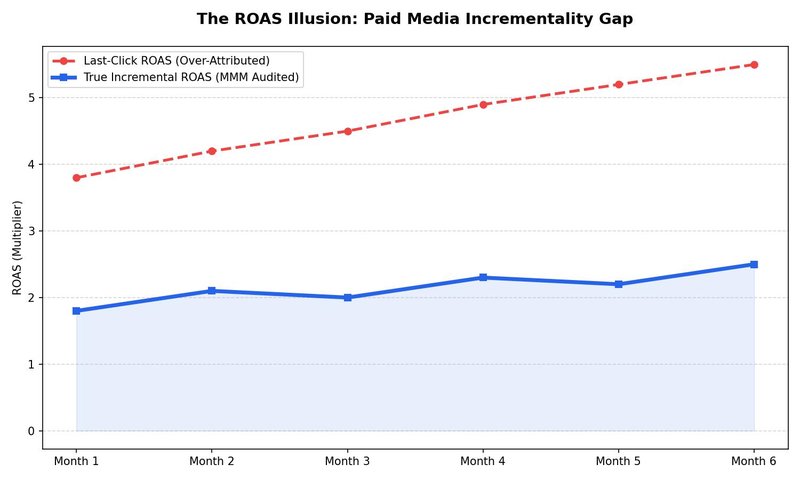
ROAS (Return on Ad Spend) optimization is the process of adjusting marketing strategies to maximize the revenue generated by each dollar spent on advertising. It’s akin to fine-tuning a machine to get the most output from the least input. For small to medium-sized businesses (SMBs), where budget is often a constraint, optimizing ROAS is crucial for competitiveness and sustainability. Imagine your ad spend as fuel for a car; ROAS optimization ensures you’re getting the maximum mileage out of every gallon, helping you reach your marketing destinations (conversions, sales, etc.) with the least amount of fuel (ad spend).
A key analogy for understanding ROAS optimization is gardening. Just as a gardener nurtures certain plants over others based on their yield, ROAS optimization helps marketers “nurture” high-performing ad campaigns while “pruning” underperforming ones. This strategic approach ensures the garden (marketing budget) flourishes with the maximum possible harvest (revenue). For example, an SMB might find that a specific social media campaign yields a ROAS of 4:1, while another channel only offers 1:1. By optimizing, they can allocate more budget to the high-yielding campaign.
The Power of Data-Driven Decisions: Tools like OptiMix facilitate ROAS optimization by providing a clear, data-driven view of where your ad spend is most effective. This isn’t just about seeing what’s working but also about understanding why, through advanced analytics that can pinpoint the exact factors contributing to a campaign’s success or failure. For instance, OptiMix might reveal that a campaign’s high ROAS is due to targeting a specific demographic with tailored messaging, guiding future campaign strategies.
Diving Deeper into ROAS Optimization Strategies
Direct Answer: Effective ROAS optimization involves a combination of smarter audience targeting, continuous ad creative testing, landing page optimization, and leveraging multi-touch attribution models, with studies showing SMBs that adopt these strategies see a 23% higher ROAS on average.
Smarter Audience Targeting
Smarter targeting isn’t just about finding your audience; it’s about finding the right moment and message for them. Using high-intent keywords in Google Ads or leveraging lookalike audiences on Facebook can significantly boost ROAS. For example, a furniture SMB might target users who have recently searched for “home decor” or “moving tips,” indicating a high intent to purchase furniture. Practical Tip for SMBs: Start by analyzing your existing customer base for common traits or behaviors and then mirror these in your targeting strategies.
Continuous Ad Creative Testing
What resonates with your audience today might not tomorrow. Continuous testing of ad visuals, copy, and CTAs can lead to a 15% increase in ROAS by ensuring your message always hits the mark. Analogy: Think of ad creative testing like adjusting a radio dial to find the clearest station. You’re tuning in to what your audience responds to best.
Landing Page Optimization
The journey doesn’t end with the ad click. Ensuring landing pages are optimized for relevance, speed, and a clear call-to-action can improve conversion rates by up to 20%, directly impacting ROAS. Tip: Use A/B testing tools to compare different page layouts and messaging to find the optimal setup.
Leveraging Multi-Touch Attribution
Last-click attribution models only tell part of the story. By adopting multi-touch attribution (or even first-touch for brand awareness campaigns), SMBs can get a fuller picture of their customer’s journey, leading to more informed ROAS optimization decisions. Internal Link: Understanding the nuances of attribution can prevent the Real Cost of Misattributed Ad Spend, ensuring your ROAS figures accurately reflect campaign performances.
Practical Application for SMBs: Implementing ROAS Optimization
Direct Answer: SMBs can start optimizing ROAS by auditing their current ad spend, setting clear ROAS goals, and then leveraging platforms like OptiMix for data-driven insights to guide budget adjustments.
Step 1: Audit and Set Goals
- Audit: Review the last quarter’s ad spend across all platforms to identify immediate areas for improvement.
- Set Goals: Based on industry benchmarks or historical data, set a realistic ROAS target (e.g., aiming for a 3:1 ROAS if currently at 2:1).
Step 2: Leverage Optimization Tools
Platforms such as OptiMix offer SMBs the ability to:
– Analyze Performance: Deep dive into campaign-level performance with Bayesian Marketing Mix Modeling (MMM) for nuanced insights.
– Automate Adjustments: Use AI-driven recommendations to automatically shift budget to top-performing campaigns.
Step 3: Continuous Monitoring and Adjustment
ROAS optimization isn’t a one-time task but an ongoing process. Schedule regular review sessions to assess progress toward goals and make data-backed adjustments.
Case Study: A small e-commerce business used OptiMix to discover that their influencer marketing campaign on Instagram was yielding a ROAS of 5:1, significantly outperforming their Google Ads campaign. By reallocating 30% of their budget to Instagram, they saw an overall ROAS increase of 18% within two months.
Ready to stop guessing and start knowing what actually works?
Frequently Asked Questions
Q: What’s the difference between ROAS and ROI, and how does optimization differ?
A: While both measure return, ROAS focuses specifically on ad spend, making its optimization more about campaign-level tweaks. ROI considers all investments, requiring a broader strategy adjustment. For ROAS, think “ad campaign efficiency”; for ROI, think “overall business profitability.”
Q: Can SMBs optimize ROAS without advanced analytics tools like OptiMix?
A: Yes, but with significant limitations. Manual analysis can identify some inefficiencies, but advanced tools like OptiMix provide the depth and speed of insights necessary for effective, timely ROAS optimization.
Q: How quickly can an SMB see results from ROAS optimization efforts?
A: Visible improvements can be seen within 2-4 weeks of initial adjustments, especially with continuous monitoring and adjustment. However, achieving peak optimization and maximizing ROAS can take several months as more data accumulates and strategies are refined.
Owner’s Note
The practical question is whether the metric still makes sense after margin, quality, and incrementality are included. Before changing the budget, compare the article’s framework with your own last 30 to 90 days of spend, revenue, and qualified outcomes. The best next move should be small enough to test, clear enough to measure, and tied to profit rather than platform-reported activity.
Leave a Reply